Best Price Guarantee  —  comparable system, lower installed quote? We'll beat it. · We'll beat any comparable quote
MSP Pure Water shield logoMSP Pure WaterTwin Cities · Greater Minnesota
Call Schedule
Home / Systems

City water solutions

City Water Filtration Systems for Twin Cities Homes

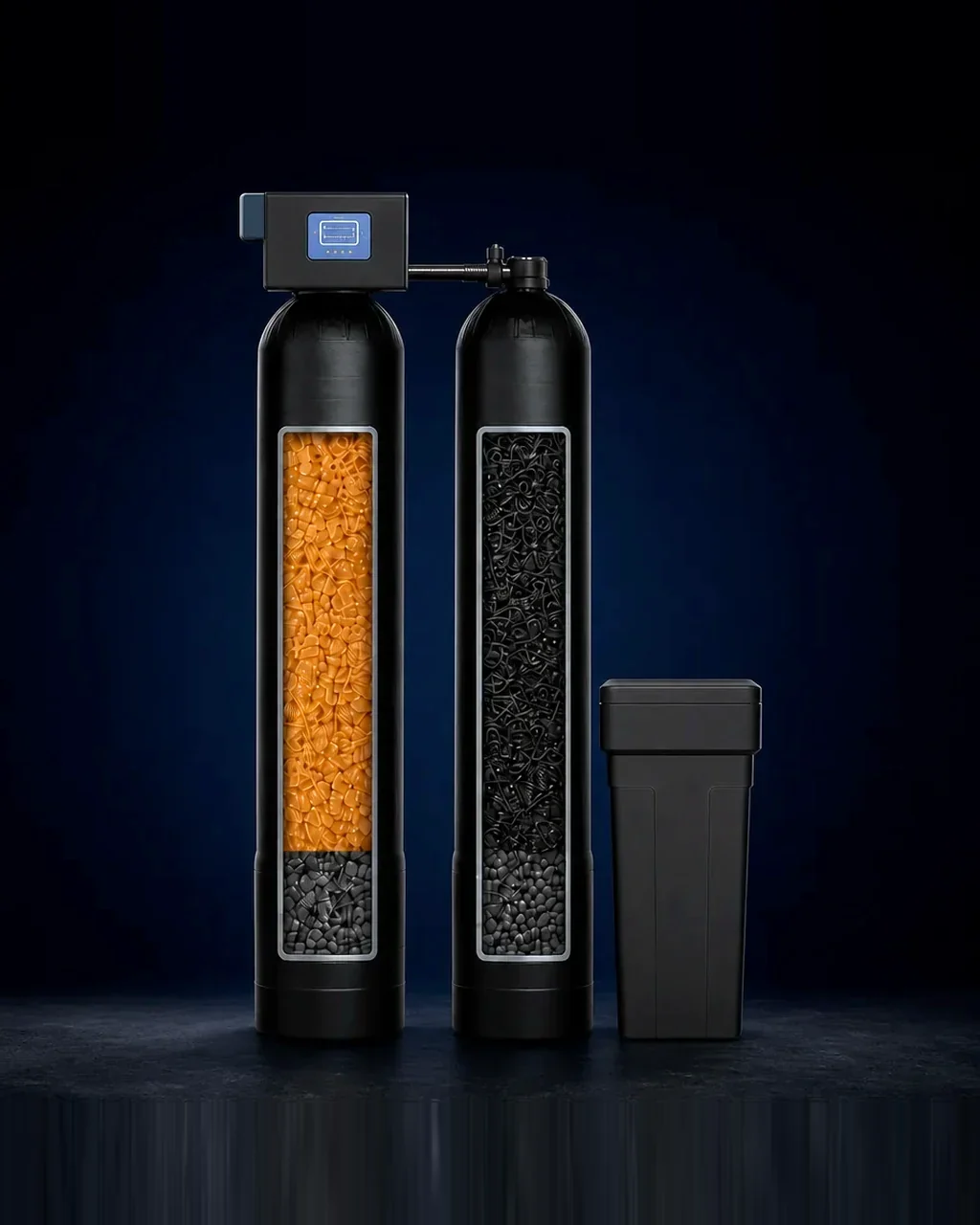
Municipal water is treated and safe, but it typically arrives hard and disinfected with chlorine or chloramine. These systems soften and filter every tap in the house.

Included RO drinking system with every whole-home system
G5.0 stars on GoogleThey assessed our water, explained everything clearly, and recommended a system that was half the price of what another company quoted us. Our water is incredible now.Sarah L., HomeownerMore reviews

Common concerns

What's in Twin Cities City Water

Hardness

Minnesota groundwater is generally hard. Calcium and magnesium cause scale on fixtures, water heaters and appliances.

Chlorine and Chloramine

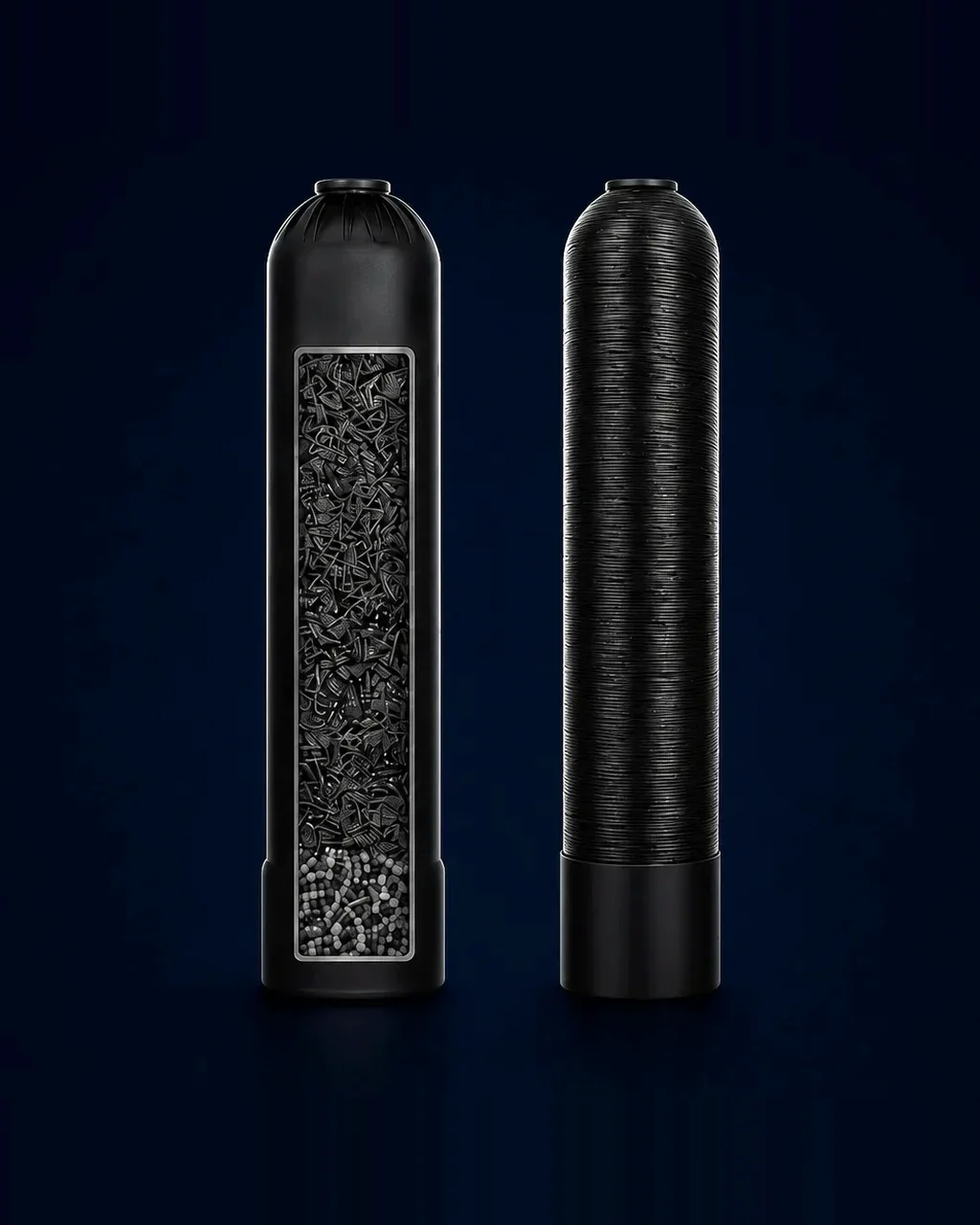
Twin Cities utilities use disinfectants including chloramine. They affect taste and odor and call for catalytic carbon.

Dissolved Solids

Minerals that affect drinking-water taste. Point-of-use reverse osmosis handles them at the kitchen sink.

Best Price Guarantee

Find a Lower Quote on a Comparable System. We'll Beat It.

Find a lower quote on comparable equipment and installation and we'll beat it. Best-price customers get priority booking on the schedule.

How it works

Send us the competing written quote. We compare equipment, capacity and installation scope. If it's comparable and lower, we beat it, and you get priority booking on the schedule.

FAQ

Questions Homeowners Ask

How much does a whole-home system cost?
Every price is published on our pricing page. Whole-home city systems run $2,999 to $4,499 and well systems $4,499 to $5,999, with a reverse osmosis drinking-water system included free. Reverse osmosis on its own is $799 for the tank system or $999 for the tankless HW800 AlkaPro, a pre-sediment filter is $399 and a UV purifier is $899. Financing options are available, and travel fees may apply beyond 35 miles from Minneapolis.
What is the difference between filtration and softening?
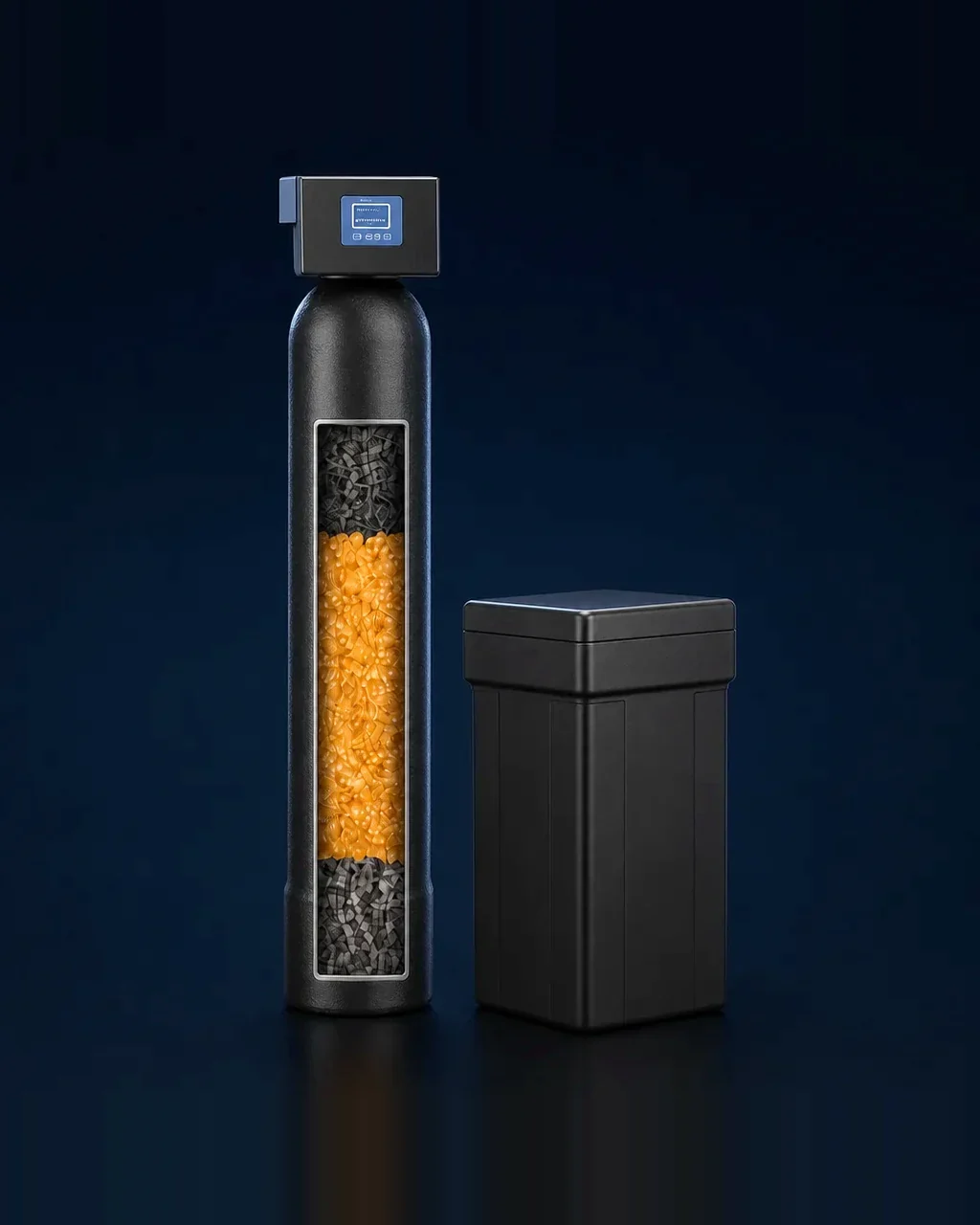
A water softener uses ion exchange to remove calcium and magnesium hardness. Carbon filtration targets different problems, mainly chlorine and chloramine taste and odor. They solve different things, which is why our whole-home city systems combine both.
Does the system treat every faucet?
Whole-home systems are installed where water enters the house, so every shower, faucet and appliance receives treated water. Reverse osmosis is the exception: it treats drinking water at one dedicated faucet.
Is salt-free conditioning the same as a softener?
No. Salt-free conditioning reduces how much scale sticks to surfaces but leaves calcium and magnesium in the water. You will not get the slick soft-water feel of an ion-exchange softener. It is the right choice for homeowners who specifically want to avoid salt.
How often do I add salt?
It depends on your water hardness and how much water your household uses. We size the system and set the regeneration schedule for your home at installation and show you how to check the brine tank.

All questions

Your Water.Your System.Your Schedule.